eSIM for International Travel: The Complete Guide
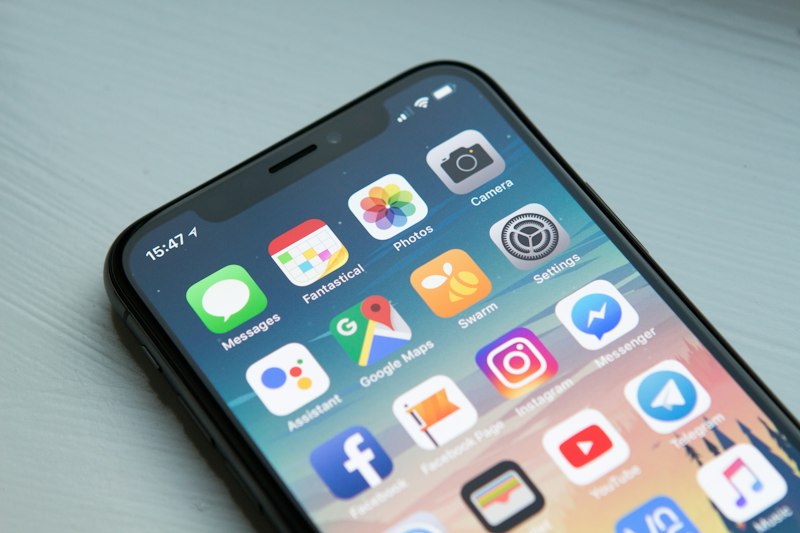
Having reliable mobile data while traveling internationally used to require either paying outrageous roaming fees, hunting for local SIM cards at airport kiosks, or relying entirely on spotty hotel wifi. eSIM technology has eliminated most of this hassle. You can now purchase a data plan for virtually any country, activate it on your phone, and have working data the moment you land.
If you have not used an eSIM for travel yet, this guide covers everything you need to know: what eSIMs are, which providers offer the best plans, how to set them up, and how to avoid the common pitfalls that trip up first-time users.
What Is an eSIM and How Does It Work
An eSIM is a digital SIM card built into your phone. Unlike a physical SIM card that you insert and remove, an eSIM is activated by downloading a profile, essentially a small file that tells your phone how to connect to a mobile network.
Modern smartphones support multiple eSIM profiles simultaneously. This means you can keep your regular home carrier active for calls and texts while adding a travel eSIM for data in whatever country you are visiting. Both work at the same time, on the same phone, without swapping any physical cards.
The practical benefit is enormous. Instead of arriving in a new country and searching for a SIM vendor, negotiating a plan in a language you might not speak, and hoping the card works with your phone, you activate your eSIM before you leave home and it connects automatically when you land.
Is Your Phone eSIM Compatible
Most phones manufactured after 2020 support eSIM, but not all. Before purchasing a travel eSIM, verify that your specific phone model supports the technology.
Apple iPhones from the XS and XR (2018) onward support eSIM. The iPhone 14 and later models sold in the US are eSIM only, with no physical SIM tray at all. All recent iPads with cellular capability also support eSIM.
For Android, Google Pixel phones from the Pixel 2 onward support eSIM. Samsung Galaxy phones from the S20 series onward generally support it, though availability varies by carrier and region. Other Android manufacturers including Motorola, OnePlus, and Xiaomi have added eSIM support to many recent models.
The important caveat is carrier locking. Even if your phone hardware supports eSIM, your carrier may have locked the eSIM functionality. Phones purchased directly from manufacturers or unlocked through your carrier work without issues. Phones that are still on installment plans or carrier-locked may need to be unlocked before a travel eSIM will activate.
Check your phone’s settings to verify eSIM support. On iPhone, go to Settings, then Cellular, then Add eSIM or Add Cellular Plan. If the option exists, your phone supports it. On Android, the path varies by manufacturer but is generally under Settings, then Network and Internet, then SIMs.
Top eSIM Providers for Travelers
The eSIM provider market has grown significantly, and the competition has driven prices down while improving coverage and reliability. Here are the providers that consistently deliver the best experience for travelers.
Airalo
Airalo is the largest and most established travel eSIM marketplace. They offer plans for over 200 countries and regions, with options ranging from 1 GB for a few days to 20 GB or more for a month.
Airalo’s strength is breadth of coverage and plan variety. For almost any country you can think of, Airalo has a plan available. Their regional plans, which cover groups of countries like Europe, Southeast Asia, or Africa, are particularly useful for multi-country trips since you buy one plan instead of a separate eSIM for each country.
The app is well-designed and makes purchasing and activating eSIMs straightforward. Pricing is competitive, typically ranging from 4 to 5 dollars for a small short-term plan to 15 to 35 dollars for larger plans with more data and longer validity.
The main downside is that Airalo plans are data only. You get mobile data but not a local phone number for voice calls or SMS. For most travelers this is fine since you can use wifi calling, WhatsApp, or other messaging apps for voice communication.
Holafly
Holafly differentiates itself by offering unlimited data plans in many countries. Instead of buying a specific number of gigabytes, you pay a flat rate for a set number of days with no data cap. This is appealing if you use a lot of data for navigation, streaming, or video calls.
The unlimited plans are genuinely unlimited in most markets, though speeds may be throttled after heavy usage in some countries. Pricing runs higher than metered plans, typically 6 to 12 dollars per day depending on the destination, but the peace of mind of not monitoring data usage is worth the premium for many travelers.
Holafly also offers phone call capability in some markets, which sets it apart from data-only providers. Coverage extends to over 170 destinations.
Nomad eSIM
Nomad positions itself as a premium option with a focus on connection quality and customer support. Their plans tend to use direct carrier connections rather than MVNOs (mobile virtual network operators), which can result in better speeds and more reliable coverage.
Pricing is slightly higher than Airalo for comparable data amounts, but the quality difference is noticeable in some markets. If you are traveling somewhere where network quality varies significantly between carriers, Nomad’s approach of selecting the best local carrier can be advantageous.
Google Fi
If you are already a Google Fi subscriber, it works as an eSIM internationally with no additional purchase needed. Google Fi provides data in over 200 countries at the same rate as domestic data, with no roaming charges.
The per-gigabyte cost is higher than dedicated travel eSIMs, but the convenience of not purchasing anything additional is significant. For light data users who are already on Google Fi, it may be the simplest option.
How to Choose the Right Plan
Selecting the right eSIM plan depends on three factors: how much data you need, how long you need it, and which countries you are visiting.
Data Usage Estimates
Light users who primarily need maps, messaging, and occasional web browsing typically use 500 MB to 1 GB per day. A 7-day trip at this usage level needs about 3.5 to 7 GB.
Moderate users who add social media, email with attachments, and some video calls typically use 1 to 2 GB per day. A 7-day trip needs 7 to 14 GB.
Heavy users who stream video, upload large photos, or use data-intensive apps can easily exceed 3 GB per day. For heavy users, unlimited plans make more financial sense than metered ones.
When in doubt, buy slightly more data than you think you need. Running out of data abroad is more disruptive than having some left over. Most providers offer top-up options, but buying adequate data upfront is simpler.
Single Country vs. Regional Plans
If you are visiting one country, a country-specific plan is usually the best value. These plans connect you to local carriers and offer the most competitive pricing.
For multi-country trips, regional plans save money and hassle compared to buying individual eSIMs for each country. A European regional plan covering 30-plus countries means you cross borders without any connectivity interruption. Most providers offer regional plans for Europe, Southeast Asia, and other commonly traveled regions.
Global plans that cover 100-plus countries exist but are more expensive per gigabyte. These make sense for complex multi-region itineraries or frequent travelers who want one plan that works everywhere.
Setup and Activation Guide
Setting up a travel eSIM is straightforward, but doing it before you leave home avoids potential issues at your destination.
Step 1: Purchase Your Plan
Buy your eSIM plan through the provider’s app or website. You will receive either a QR code or an activation code. Most providers send this immediately via email and also store it in their app.
Step 2: Install the eSIM Profile
On iPhone, go to Settings, then Cellular, then Add eSIM, and scan the QR code or enter the activation details manually. On Android, the path is Settings, then Network and Internet, then SIMs, then Add eSIM.
Your phone will download the eSIM profile. This requires an internet connection, which is why doing it at home on wifi is recommended.
Step 3: Configure Your Settings
After installation, you will see your travel eSIM listed alongside your regular SIM in your phone’s cellular settings. Label it clearly, something like “Travel Data” helps avoid confusion.
Set your regular SIM as the default for voice calls and your travel eSIM as the default for data. This ensures calls and texts go through your home number while data traffic uses the travel plan.
Turn off data roaming on your home SIM to avoid accidental roaming charges. Your travel eSIM handles all data needs.
Step 4: Activate at Your Destination
Some eSIMs activate immediately upon installation. Others activate when you first connect to a network at your destination. Check your provider’s instructions, as this varies by plan and country.
When you land, your phone should automatically connect to the local network through your travel eSIM. If it does not connect within a few minutes, toggle airplane mode on and off. This forces the phone to search for networks and usually resolves the issue.
Troubleshooting Common Issues
eSIM Will Not Activate
The most common cause is that your phone is carrier-locked. Contact your home carrier and request an unlock. This is usually free if your phone is paid off and your account is in good standing.
Another common issue is installing the eSIM in a location with no cellular coverage from the plan’s network. If you are installing at home for a destination country, the eSIM profile installs but will not show signal until you arrive at the destination.
Slow Data Speeds
Speed depends on the local carrier the eSIM connects to and the local network conditions. In urban areas of most countries, you should expect 4G LTE speeds or better. In rural areas, speeds may be slower.
If speeds are consistently poor, try manually selecting a different network in your phone’s carrier settings. Some eSIM plans support multiple local carriers, and one may have better coverage in your area than another.
Data Not Working After Landing
Toggle airplane mode on and off. If that does not work, restart your phone. If it still does not work, verify that data roaming is enabled for the travel eSIM (this is different from your home SIM’s roaming setting and needs to be on for the travel eSIM to connect to local networks).
Check that the travel eSIM is set as your default data line. If your phone is still routing data through your home SIM, you will not use the travel eSIM’s data allowance and may incur roaming charges.
eSIM vs. Other Options
Physical Local SIM Cards
Physical SIMs still work and are sometimes cheaper than eSIMs, especially in countries where eSIM adoption is newer and pricing has not fully normalized. The disadvantage is the hassle: finding a vendor, possibly providing passport copies, and swapping your physical SIM.
If your phone only has one physical SIM slot and no eSIM support, a local physical SIM is still your best option. But for phones with eSIM capability, the convenience of pre-installation makes eSIM the better choice for most travelers.
International Roaming from Your Home Carrier
Most US carriers now offer international roaming plans or include basic international data. T-Mobile includes slow-speed international data free on most plans. AT&T and Verizon offer daily roaming passes for 10 to 12 dollars per day.
These carrier options are convenient since there is nothing to set up, but they are significantly more expensive than travel eSIMs for anything beyond very short trips. A week of AT&T International Day Pass costs 70 dollars, while a comparable eSIM plan costs 10 to 20 dollars.
Portable Wifi Hotspots
Rental wifi hotspots provide a dedicated mobile internet connection that multiple devices can share. They are useful for groups traveling together or for travelers who need to connect non-eSIM devices like laptops.
The downsides are carrying an extra device, keeping it charged, and the risk of losing it. For solo travelers with an eSIM-compatible phone, tethering from the phone provides the same functionality without extra hardware.
Tips for a Smooth eSIM Experience
Install your eSIM one to two days before departure, not at the airport. This gives you time to troubleshoot any installation issues while you still have reliable wifi and cell service.
Take a screenshot of your eSIM details (QR code, plan information, customer support contacts) and save it offline. If something goes wrong with the eSIM, you need these details without internet access.
Download offline maps in Google Maps or Apple Maps for your destination before you leave. This ensures navigation works even if your eSIM has a momentary connectivity issue.
Monitor your data usage if you have a metered plan. Both iPhone and Android show per-SIM data usage in cellular settings. Check periodically to make sure you are not burning through your allowance faster than expected.
eSIM technology has genuinely simplified international travel connectivity. For a few dollars and five minutes of setup time, you get reliable mobile data from the moment you land. Once you have used an eSIM for travel, the idea of hunting for SIM card vendors at foreign airports feels like an unnecessary relic of a previous era.
Your Points Are Gathering Dust
The average traveler leaves $400/year on the table. Don't be average.
Put Them to Work →Never Miss a Deal
Join thousands of savvy travelers who get our weekly newsletter with mistake fares, points tips, and exclusive travel deals.
No spam. Unsubscribe anytime.